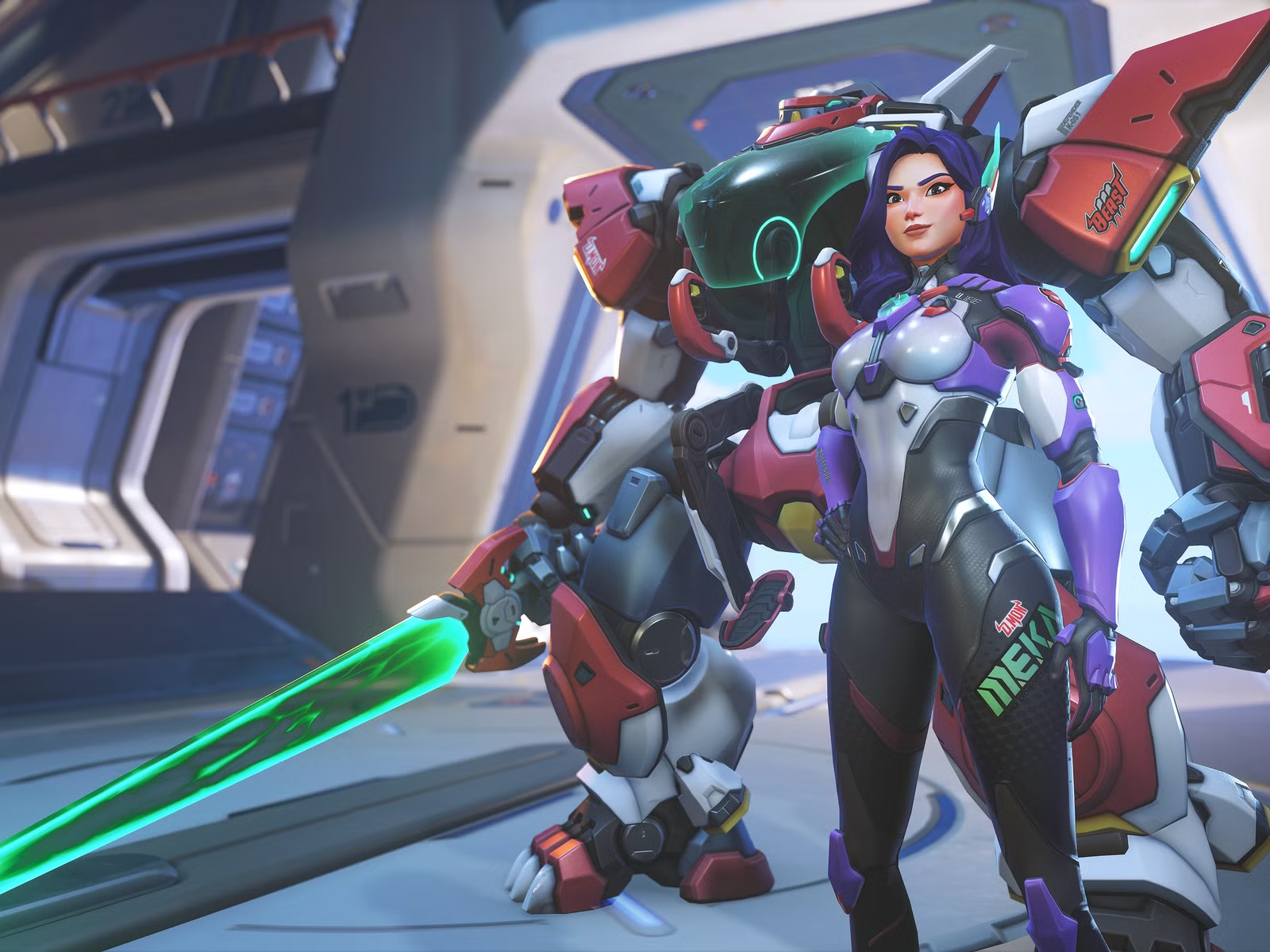
D.Mon's Core Kit and Combat Mechanics
D.Mon operates as a Stalwart Tank who relies on her mech, Beast, to control space through aggressive pressure and mobility. Her primary engagement tool is the Plasma Saber, which allows her to slice through enemies at close range, while her secondary ability, Power Barrier, provides crucial frontal protection for her team. Unlike traditional tanks who rely solely on static shielding, D.Mon can utilize her Propulsors to swiftly reposition herself across the battlefield, maintaining momentum and keeping pressure on enemy backlines. Her defensive capabilities are augmented by a unique interaction with barriers, allowing her to recall placed obstacles into her shield's health pool under specific conditions. This mechanic enables creative plays where she can redirect enemy fire or knock back opponents trapped in moving barriers. Additionally, her ultimate ability, Limit Break, charges her sword to strike multiple targets, applying a debuff similar to Zenyatta's Discord Orb and granting her temporary overhealth, making her a potent initiator for team fights.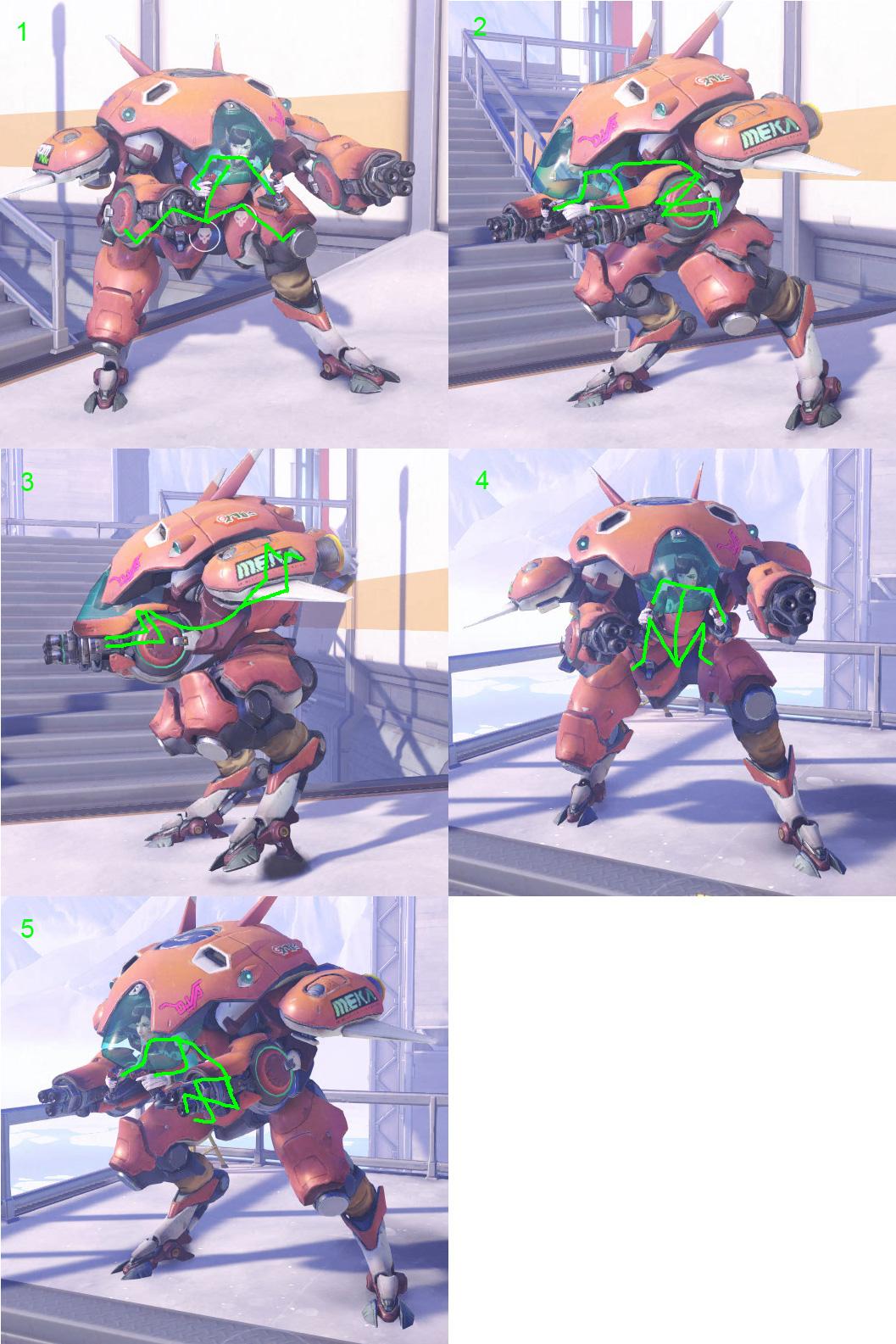
- Plasma Saber: D.Mon uses this melee weapon to deal close-range damage, requiring her to engage directly with enemies rather than maintaining distance.
- Power Barrier: Hold to deploy a frontal energy barrier that blocks incoming projectiles, essential for holding choke points and protecting teammates.
- Propulsors: Activate these thrusters to quickly maneuver the battlefield, allowing D.Mon to dodge skill shots or close gaps rapidly.
- Limit Break: Her ultimate ability charges her sword to strike multiple enemies, applying a debuff and granting overhealth to sustain through heavy fire.
Statistical Profile and Pilot Form Vulnerabilities
Understanding D.Mon's durability is critical for effective play, as her stats vary significantly between her mech form and pilot form. In Role Queue, she boasts a base health of 425 and 325 Armor, making her exceptionally tanky against physical damage. However, in Open Queue, her base health is reduced to 275, reflecting the balance adjustments for different matchmaking environments. Players must be aware that her armor provides substantial mitigation, but it does not protect against all damage types equally. The most critical vulnerability arises when D.Mon ejects from her mech due to irreparable damage. In this Pilot Form, she loses her armor entirely and drops to only 175 Health, with her tank passive ignored. This transition removes her primary defensive layer, forcing her to rely on agility and support healing. The "Tough Call" trailer highlights the risk of this ejection, emphasizing that while she can fight in this state by snatching the Fusio, she is significantly more fragile than in her mech form.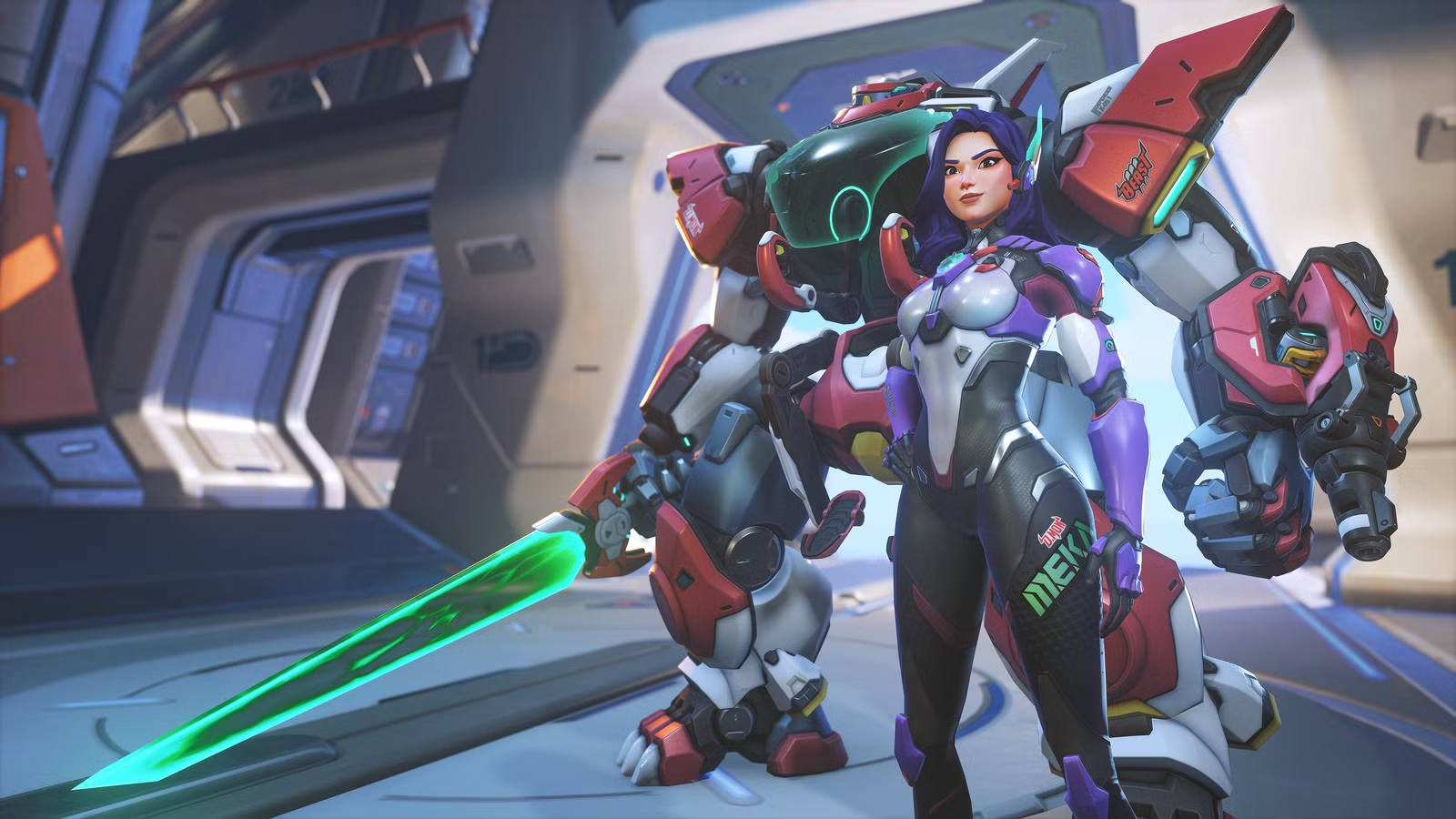
- Role Queue Health: D.Mon enters combat with 425 Health, providing a substantial buffer for sustained engagements.
- Armor Value: Her 325 Armor significantly reduces incoming physical damage, making her difficult to burst down in mech form.
- Pilot Form Health: Upon ejecting, her health drops to 175, leaving her exposed to focused fire from enemy Damage heroes.
- Open Queue Stats: In non-role queues, her base health is lower at 275, requiring more careful positioning and resource management.
Lore Background and Voice Cast Details
D.Mon, whose real name is Yuna Lee, is a former pro gamer who joins the roster as a leader within the MEKA Squad. Her character design and narrative are deeply rooted in her history with D.Va's team, exploring the dynamics between the quintet members like King, Casino, and Overlord. This lore connection positions her not just as a new combatant but as a pivotal figure in the ongoing story of Overwatch's universe, particularly within the context of the Heros of Busan arc. The emotional depth of D.Mon's character is brought to life by a diverse voice cast across multiple languages. The English voice is provided by LilyPichu (Lily Ki), with additional vocal work by Cathy Shim (Shooting Star). This casting choice adds personality and authenticity to her interactions, distinguishing her from other mech-piloting heroes like D.Va while maintaining the thematic consistency of the MEKA organization.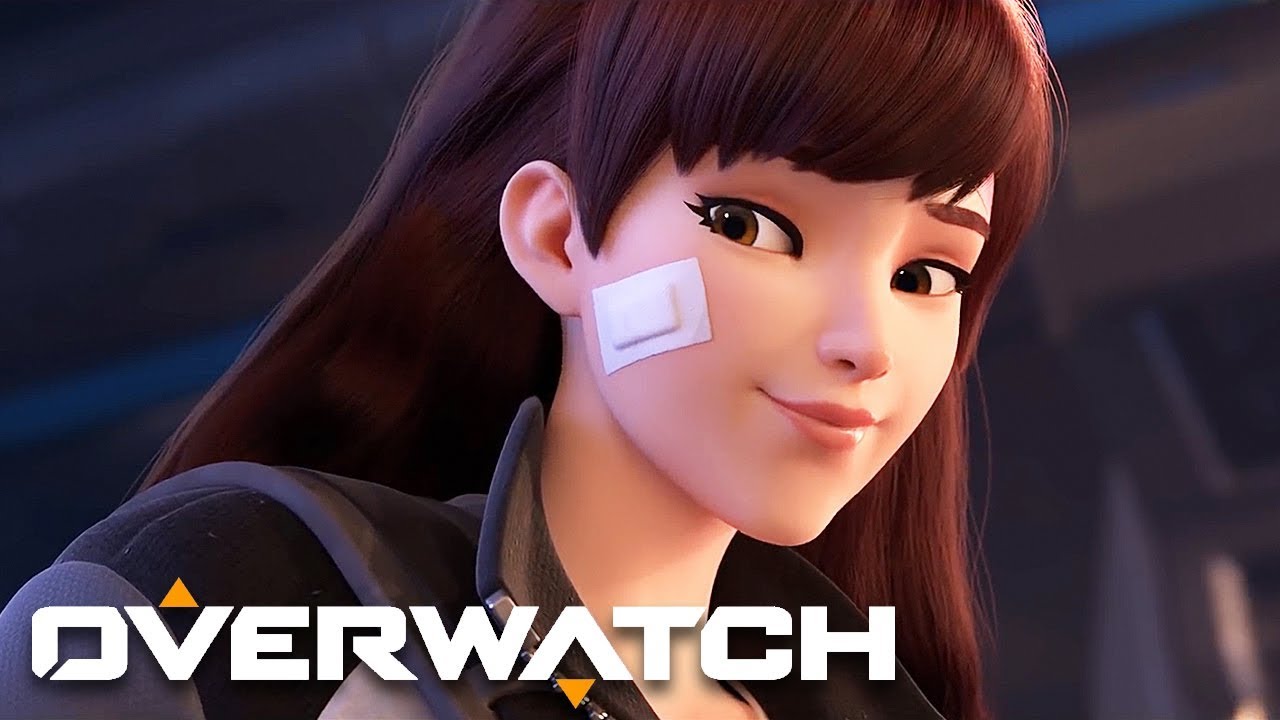
- Real Name: The hero is identified as Yuna Lee, a former professional gamer who has now transitioned into frontline leadership.
- MEKA Squad Connection: Her lore ties her directly to D.Va's team, hinting at potential future interactions with members like King and Casino.
- English Voice Actor: LilyPichu (Lily Ki) provides the primary voice for the English localization of the character.
- Season 4 Launch: D.Mon arrives alongside the renaming of Overwatch 2 to Overwatch, marking a new chapter in the game's timeline.
Strategic Synergy and Team Composition Requirements
D.Mon functions best when paired with heroes who can protect the drone's limited health pool while capitalizing on its area denial capabilities. The hero's reliance on King Form for tanking means that teams lacking secondary tanks may struggle to sustain engagements if D.Mon is isolated. Optimal compositions often include a flex support who can provide rapid healing to the drone during its vulnerable Pilot Form phase, ensuring it remains on the battlefield long enough to recharge abilities. The character's utility shines in control-oriented strategies where map area denial is critical. When combined with other area-of-effect controllers, D.Mon can create overlapping zones of suppression that force enemy teams into unfavorable positions. However, the hero struggles against compositions with high burst damage or strong dive capabilities, as these can quickly eliminate the pilot before the drone can be redeployed. Players must coordinate with teammates to pinpoint enemy positioning and time ability usage for maximum impact rather than relying on solo picks.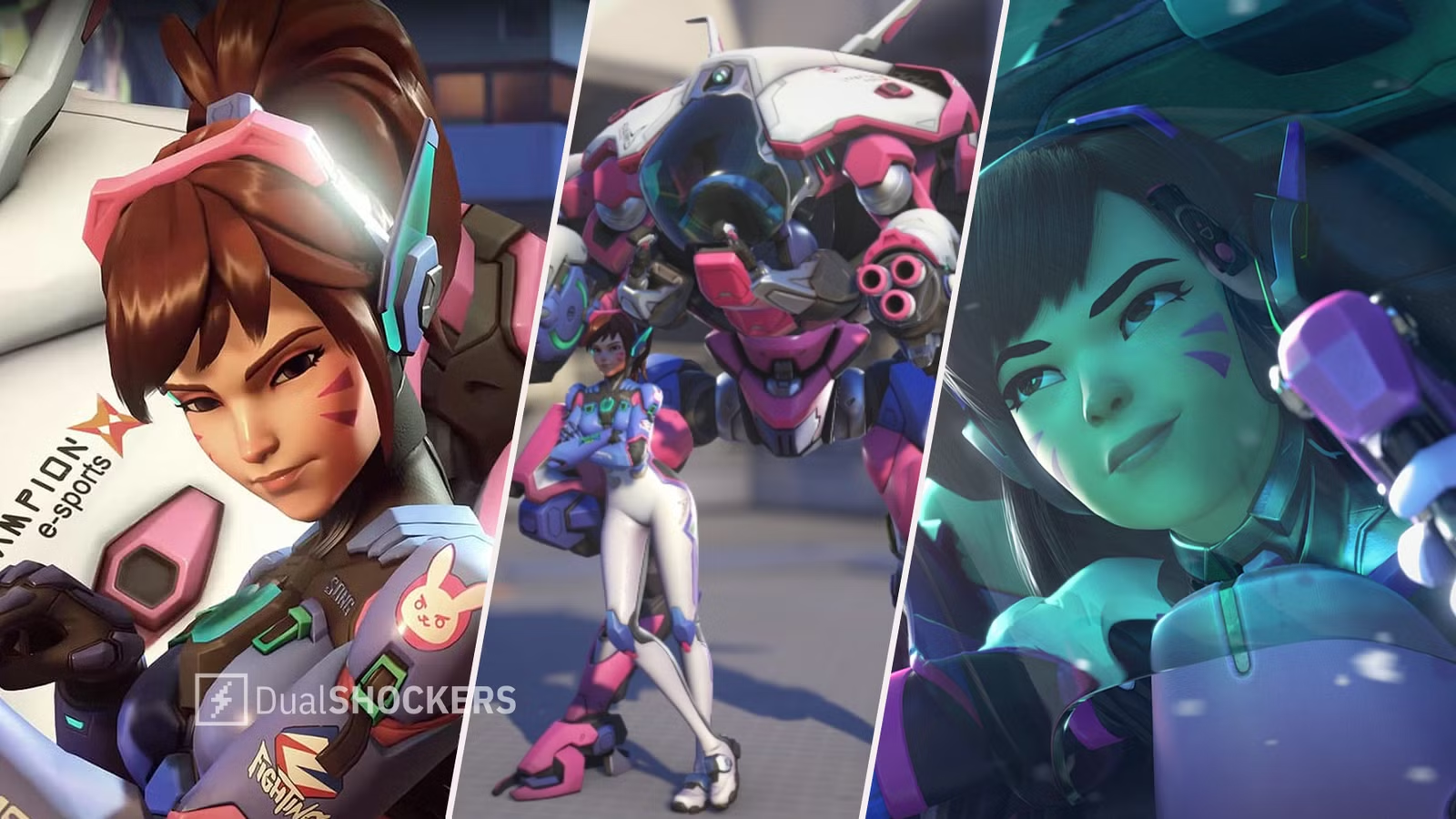
- King Form Tanking: This mode allows D.Mon to absorb significant damage, making it a viable temporary tank in pinch situations but requiring constant support to survive focused fire.
- Pilot Form Vulnerability: While controlling the drone from afar, the pilot has low health and mobility, necessitating protection from enemy flankers who can exploit this weakness during ability cooldowns.
- Area Denial Synergy: Combining D.Mon's suppression fields with other zone control heroes amplifies their effectiveness, creating dead zones that restrict enemy movement and healing options.
- Dive Composition Counter: Teams utilizing fast, high-mobility flankers can bypass D.Mon's defenses by targeting the pilot directly, making positioning and awareness critical for survival against these strategies.
Patch History and Balance Adjustments
Since its introduction in Season 4, D.Mon has undergone several iterations designed to refine its role within the game's evolving meta. Early feedback highlighted issues with the drone's survivability, leading to adjustments in health values and ability cooldowns to ensure it could contribute meaningfully to team fights without being too fragile or overpowering. These changes aimed to balance the hero's dual nature as both a support-oriented entity and a capable tank, ensuring that neither form dominates the other disproportionately in competitive play. The developer team has also focused on clarifying interaction rules between D.Mon's abilities and other heroes' skills to reduce ambiguity in high-level gameplay. Updates have refined how King Form interacts with crowd control effects, making its stuns more reliable while reducing the risk of accidental friendly fire during chaotic engagements. These adjustments reflect a commitment to maintaining the hero's unique identity while ensuring fair matchups against all classes, particularly those with strong counter-play options like long-range snipers or high mobility flankers.
- Season 4 Introduction: D.Mon debuted alongside the game's rebranding, bringing a fresh dynamic to the tank role with its unique drone-pilot mechanic.
- Health Adjustments: Subsequent patches modified the drone's durability to prevent it from being too easily eliminated by burst damage while retaining its tactical vulnerability.
- Crowd Control Refinement: Updates improved the consistency of King Form's stun effects, ensuring they land reliably in team fights without excessive randomness.
- Friendly Fire Mitigation: Recent changes reduced accidental damage to allies during ability activation, enhancing safety and clarity during complex engagements.
Frequently Asked Questions
Is D.Mon considered a support or damage hero in Overwatch 2?
D.Mon is classified as a Damage hero. Despite his ability to heal allies and provide crowd control, the game categorizes him within the Damage role due to his high burst potential and primary focus on eliminating enemy targets rather than sustaining team health like traditional supports.
What is the cooldown time for D.Mon's ultimate ability?
The cooldown is 120 seconds. Players must wait two full minutes after activating King Form to recharge this powerful ultimate, making timing and survival crucial during engagements to ensure the ability is available when needed most.
Can D.Mon damage enemies while in Pilot Form?
Yes, D.Mon can deal direct damage in Pilot Form. While in this state, he utilizes his standard pistol attacks and movement abilities to reposition or finish off low-health targets, allowing him to contribute to the fight without committing to a full transformation.